I would like to dedicate this post to a revolutionary American photographer – Deborah Turbeville.
Her influence on fashion photography as we know it today has been so great, at first glance the innovation she offered might go unnoticed, but back in the 1970’s, her photographic style evoked quite the shock, therefore making her contribution to the world of fashion photography – enormous.

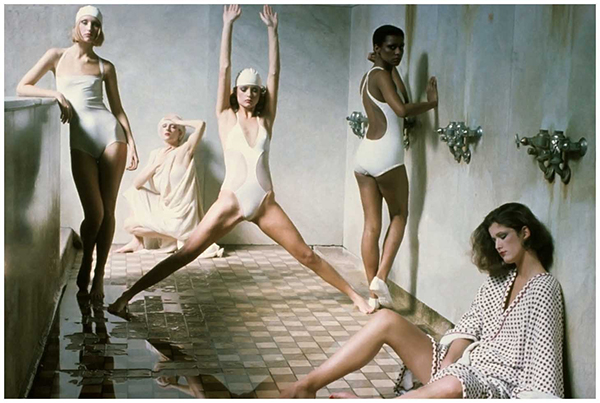
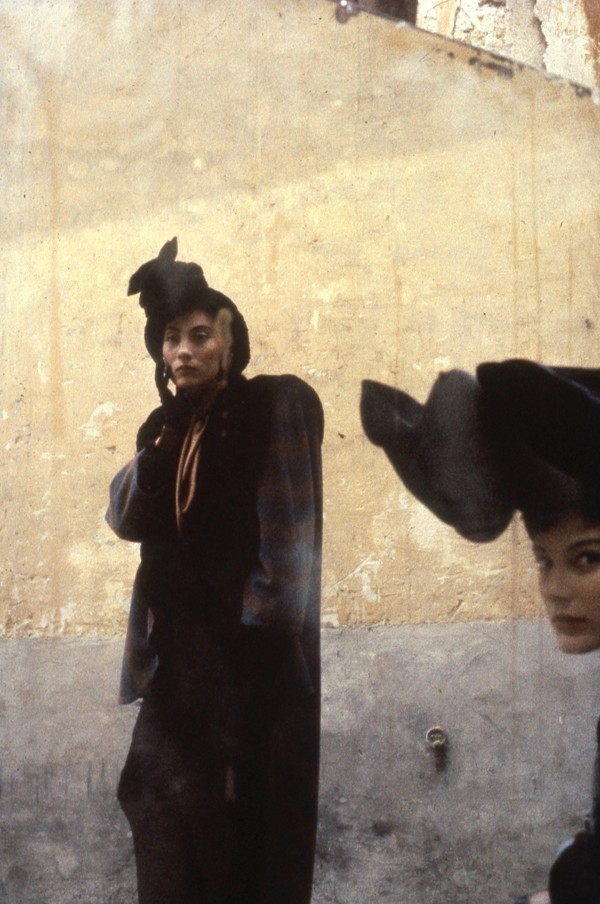
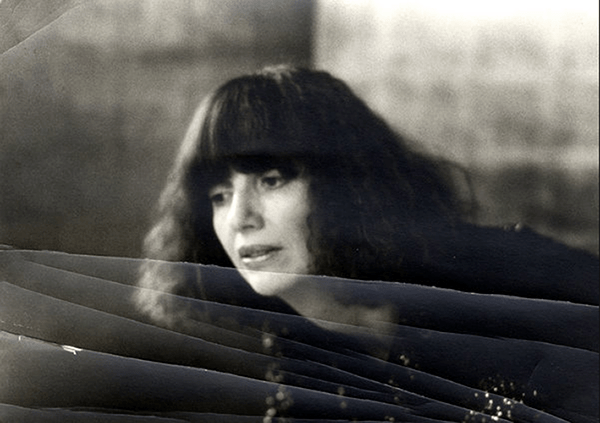
Until the 70’s, fashion photography was clean and bright, while Turbeville’s photographic style – characterized by frozen poses, the blurred, blazing looks of the models, the scratches, the tears, the obscurity, the darkness and the luxurious yet derelict buildings – all of these left the fashion world stunned. The photos, which were mostly black and white, were sometimes scratched and wounded – as if they had been discovered in a dusty attic, and not specially commissioned by a fashion magazine or a prominent fashion designer.

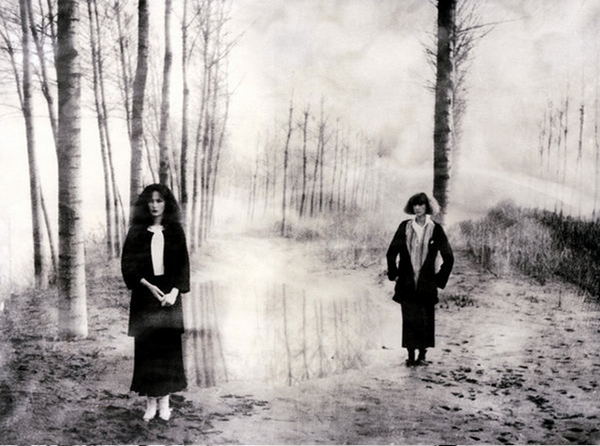
Turbeville was born in 1932 in an secluded farm in Massachusetts, growing up in geographical isolation – with only few friends her own age. She was greatly influenced by her surroundings and was a dreamy, talented young girl.
I came across a story describing a childhood memory of hers: it was about a family painting she had created as a school assignment, which her teacher disliked so much – she was expelled from school for several weeks. This memory kept repeating over and over again, thus shaping her self-perception, perhaps within it lies the cause for the distance that is portrayed through the models’ eyes in her photographs.
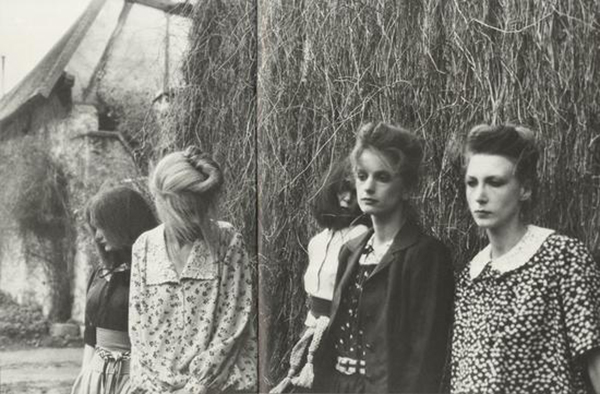
She burst into consciousness as part of a trio of revolutionary fashion photographers, who worked individually – but together changed the world of fashion photography from subtle and calm, to turbulent, dark and even morbid.
Turbeville was the only American and the only woman in this trio, which included Helmut Newton and Guy Bourdin. However, she was nicknamed “anti-Helmut Newton” as her photographs were a reversal of the urban erotic atmosphere that dominated Newton’s photographs. Her photographs steered more towards the mysterious and dreamy direction.

nterestingly, Turbeville began her fashion career as a fashion editor in popular magazines such as Harper’s Bazaar and Mademoiselle. It wasn’t till the mid-1960’s that she began photographing.
In the 1970’s, she was already commissioned to shoot for leading magazines such as Vogue America, Vogue Italia and leading fashion designers.
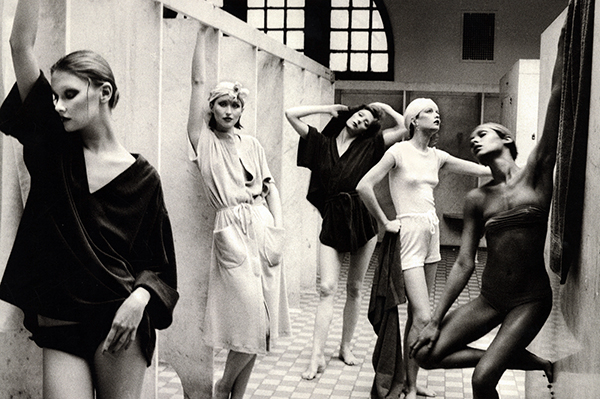
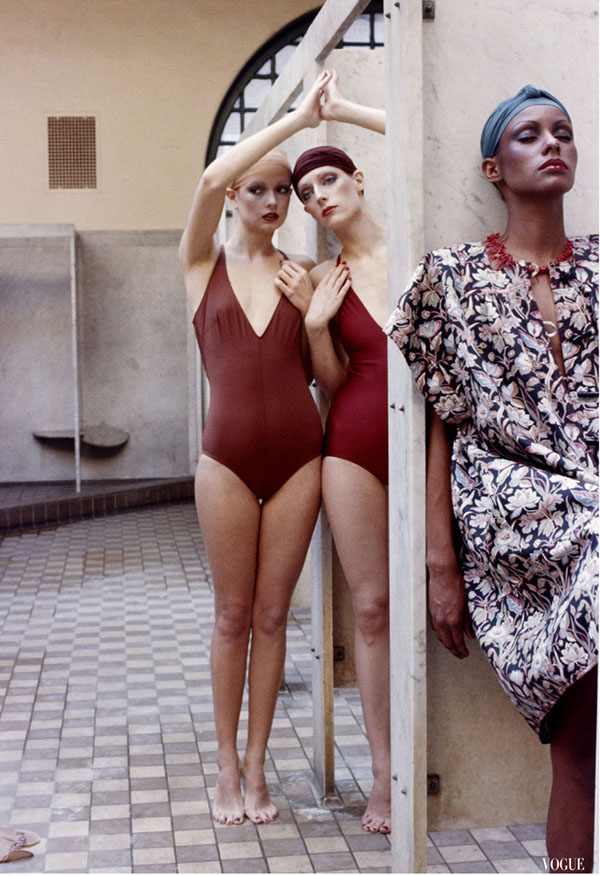
One of her most famous and controversial works is “Bath House story”, a swimsuit editorial created for American Vogue in 1975.
The unusual style triggered comparisons and references to concentration camps, drug addicts and lesbian relations, and though today I think they may not have received any criticism, at the time they were published they generated an enormous amount of criticism and – of course – an equal amount of publicity and sales.
Turbeville argued this was not her intention, denied any connection to these comparisons and claimed that her artistic motives were different. She created a similar series about ten years later.
It was Turbeville’s impression that “Bath House story” was the most controversial publication the magazine had published until that time, and has also become one of her most identified works.
“I like to hear a clock ticking in my pictures” – she once said, and perhaps these words best suit this grandiose, poetic, and spectacular project – “Unseen Versailles”: a prize-winning book published in 1982.
She worked on this book for two years, taking pictures of the hidden side of the Versailles Palace – the familiar palace, as no one had ever seen it before. She resurrected the melancholic court ladies and documented the sadness and boredom they were surrounded by, along with the aging glory of the buildings and gardens during the different seasons. This book, filled with melancholic beauty, won first place in the American Book Award.
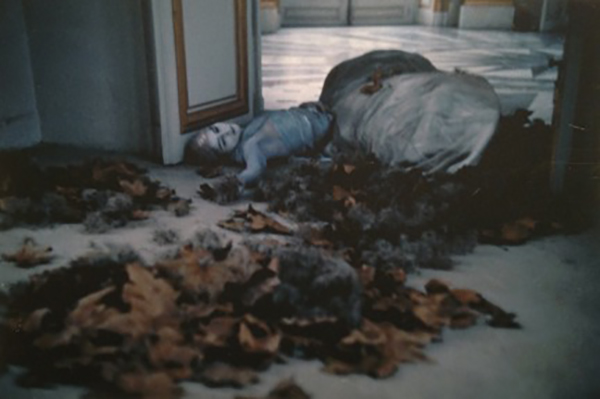
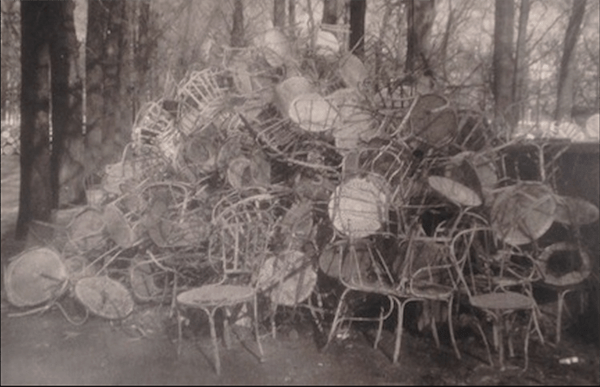
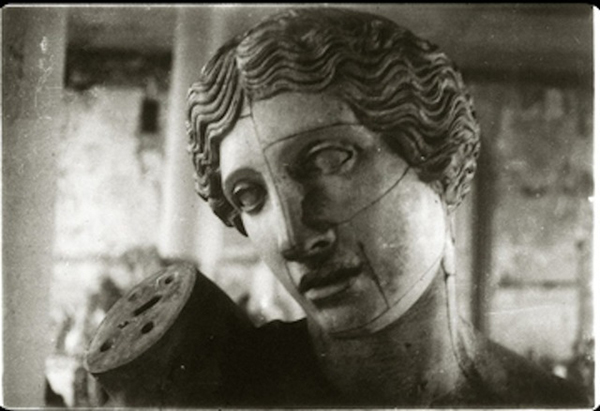
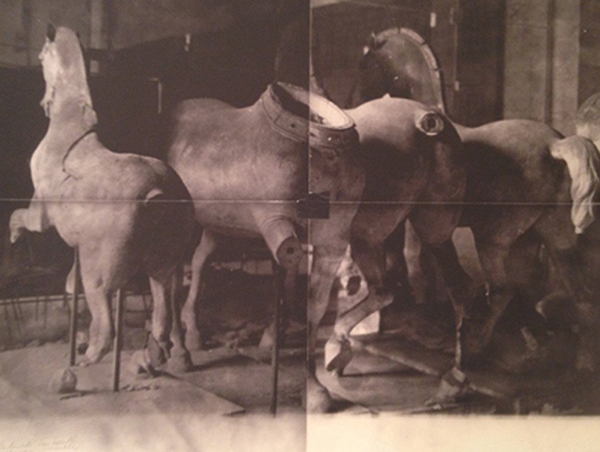
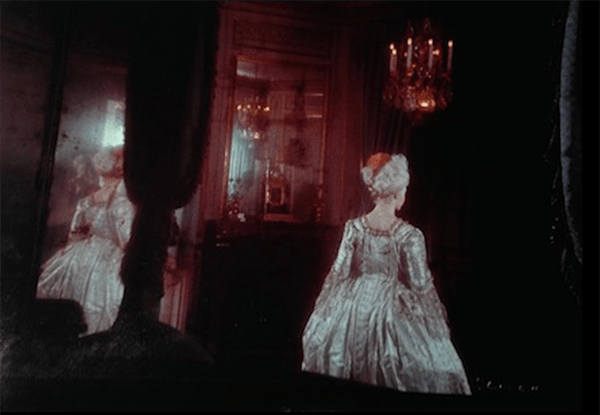
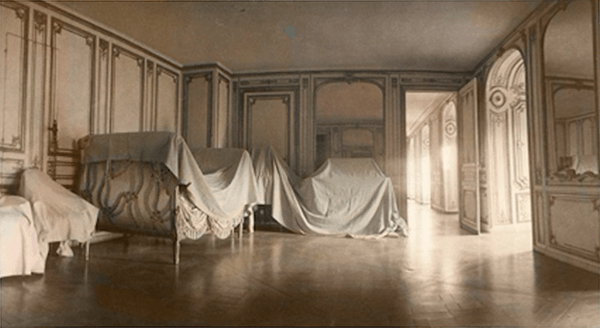
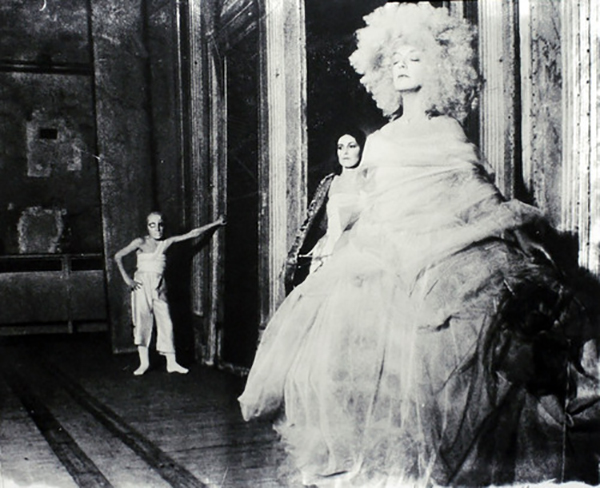
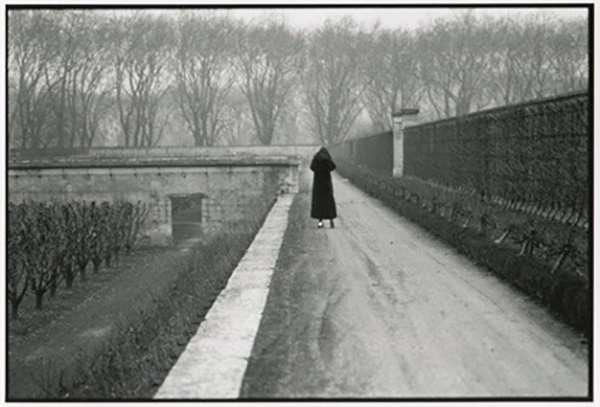
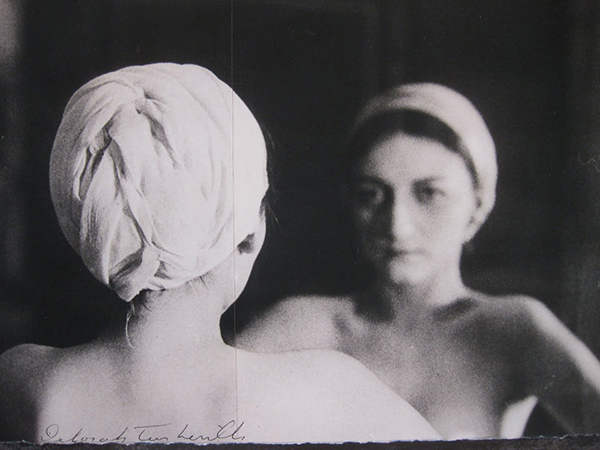
“I wanted to create photographs that were outside time, of people in today’s world with the atmosphere of the past reflecting upon their faces, of palaces and gardens that were abandoned and are overgrown. Photographs that retain a history.”
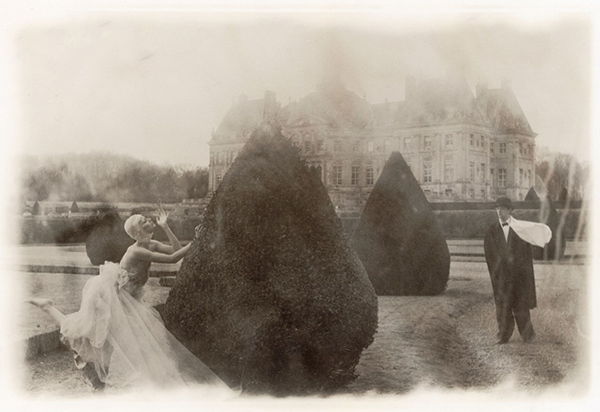
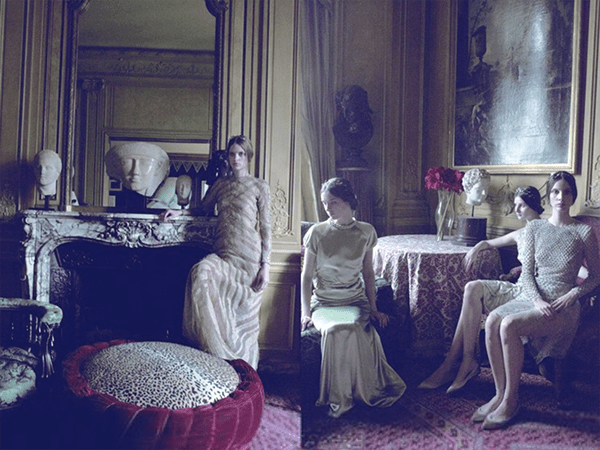
Franca Sozzani, the legendary editor of Vogue Italy, said that in Turbeville’s pictures “every detail is perfect and wrong at the same time.”
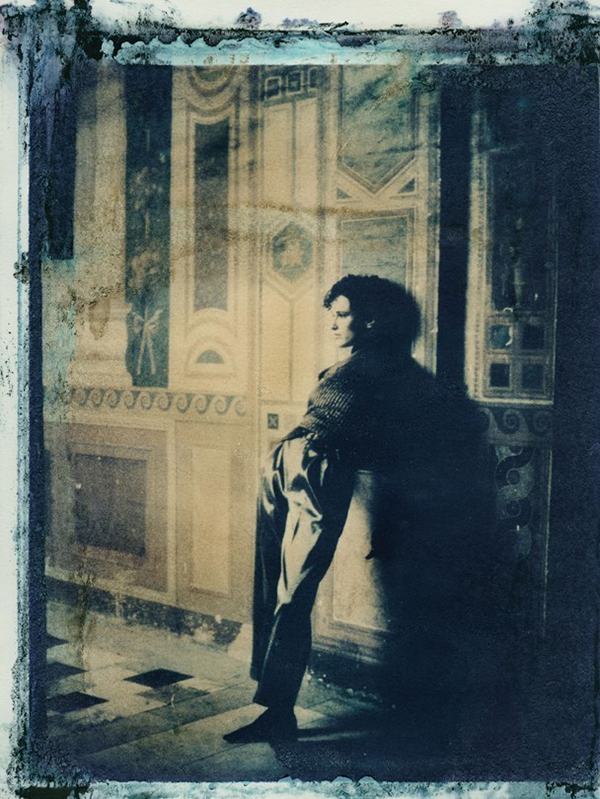
An excerpt from an article about her and a visit to her apartment in New York, which is located in a beautiful, old building:
“Turbeville’s building is uncomfortable in the here and now. And so is Turbeville, who has made an illustrious career out of creating images of forgotten grandeur that is sadly faced with the vulgarity of the age it was never meant to witness.”
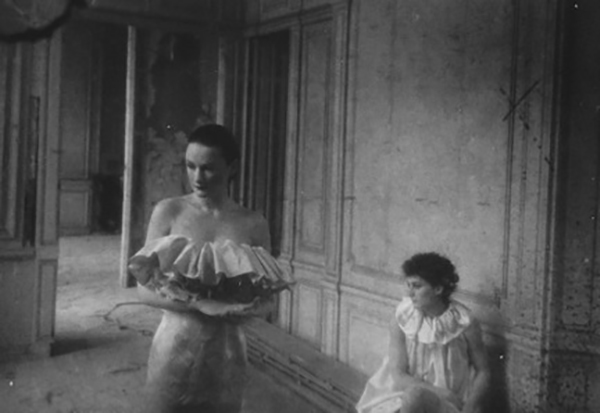
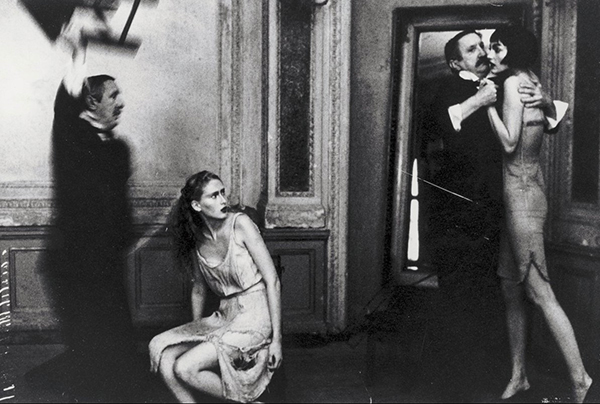
And Turbeville attests herself –
“I always think I’m having a romance with the past. But I’m actually explaining the past in the present.”
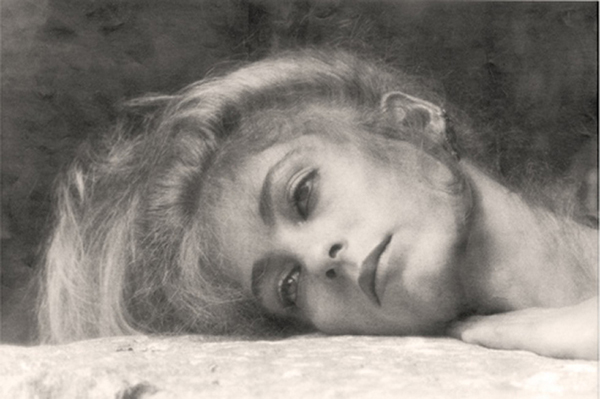
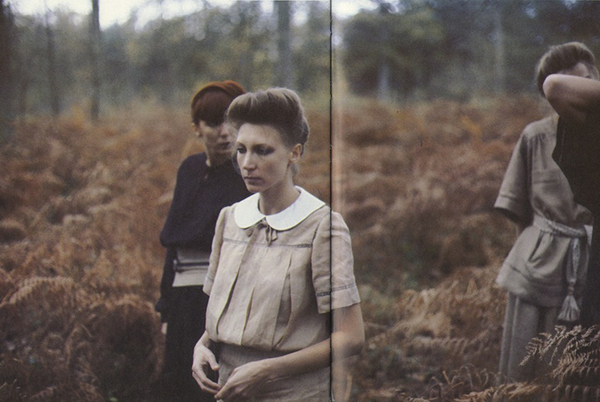
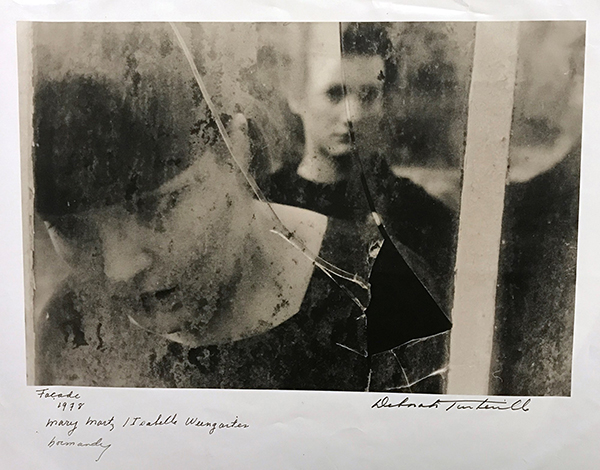
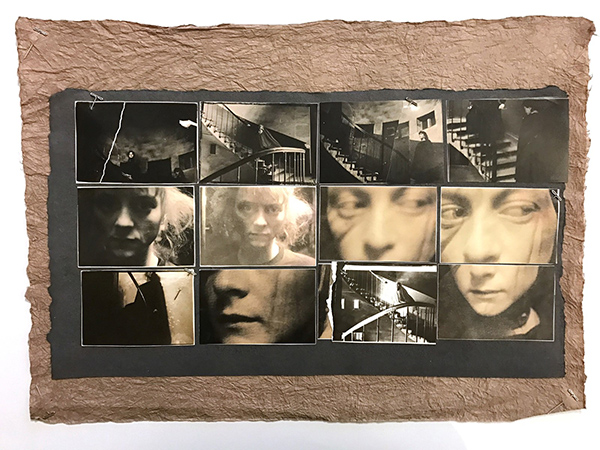
After her death in 2013, the New York Times reported:
“Almost single-handedly turned fashion photography from a clean, well-lighted thing into something dark, brooding and suffused with sensual strangeness.”
 Dreams in fabric